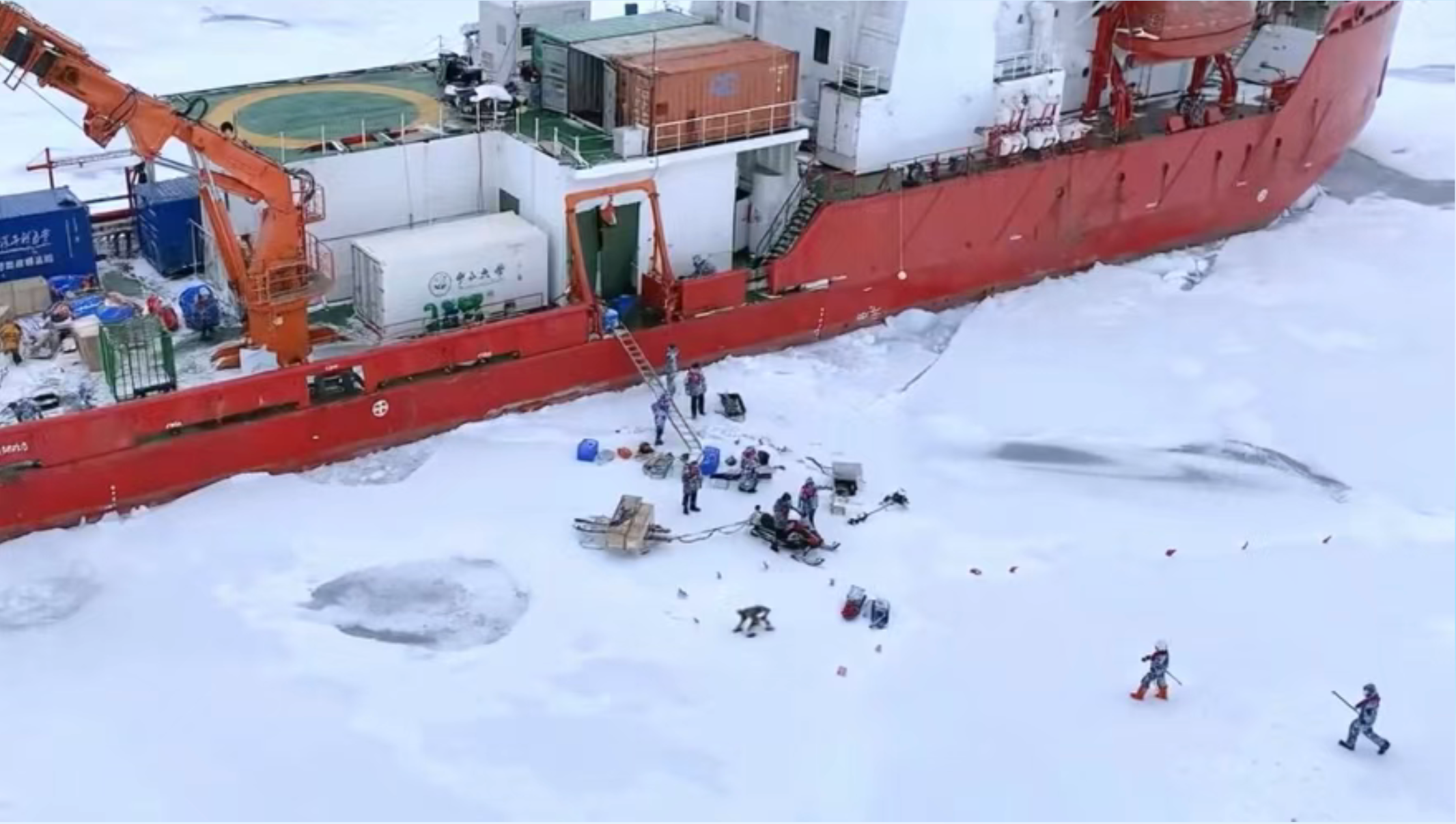
AKUREYRI, IS / ACCESS Newswire / June 8, 2026 / The research vessel Sun Yat-sen University Polar is a pioneering polar scientific research vessel independently owned and operated by a university. Not long ago, it completed its second Arctic Ocean expedition, lasting 76 days, covering a total voyage of 11,852 nautical miles, and reaching a northernmost latitude of 81.6°N. A team of 38 faculty and students from 13 universities and research institutes collected ice samples and various precious scientific research specimens and data from the Arctic Ocean, providing crucial scientific support for a deeper understanding of the air-ice-sea interactions and environmental change mechanisms in the Arctic. A prototype of DEEP Robotics’ small wheeled-legged robot, the Lynx S10, also accompanied the vessel, conducting multiple extreme environment performance tests on Arctic Ocean ice floes and in icy waters – marking the first time a quadruped robot has stepped onto the surface of the Arctic Ocean.
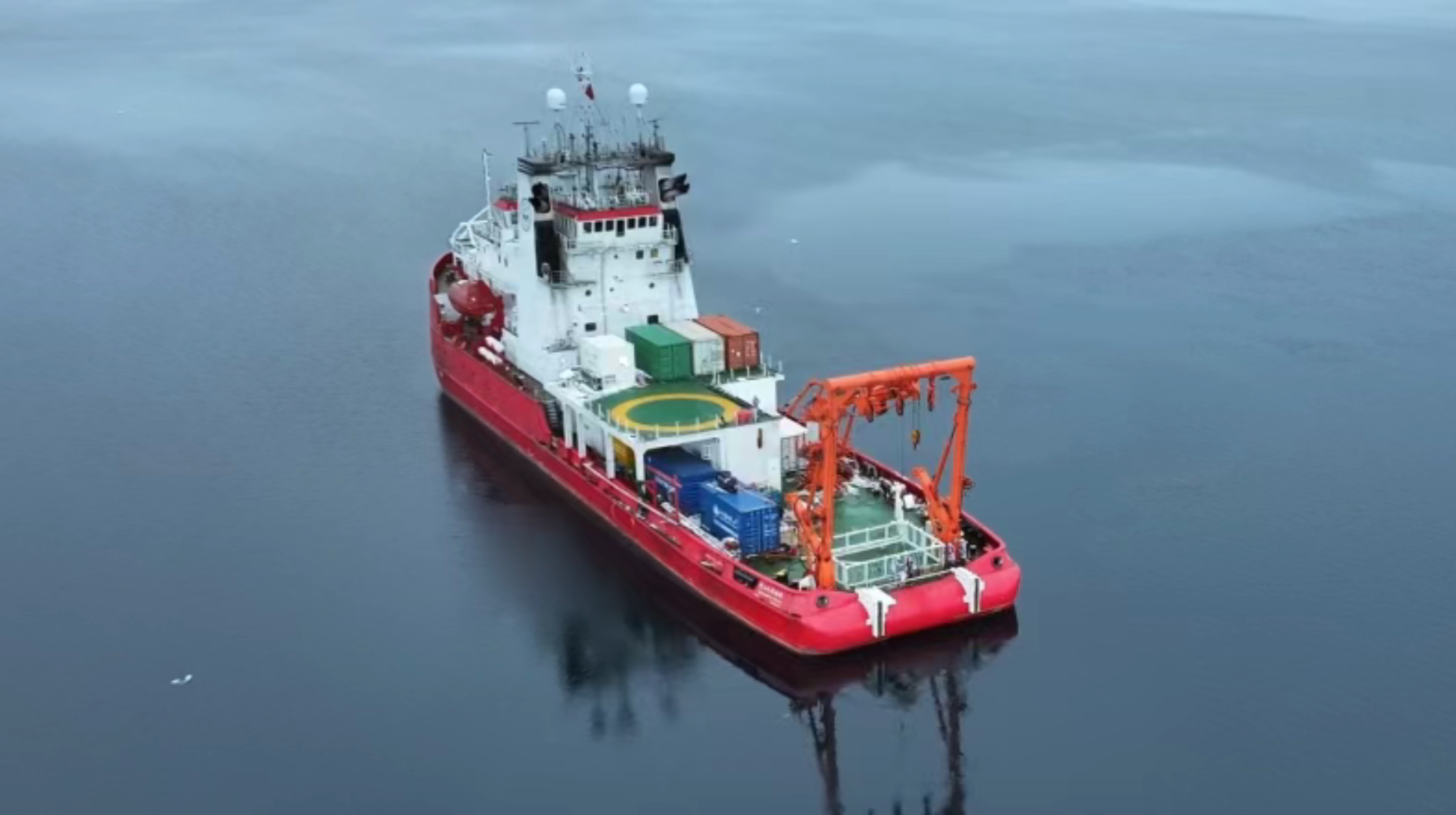
This is a real-world test of DEEP Robotics’ robot dog during the product development phase. As a global leader in quadruped robot industry applications, DEEP Robotics consistently validates the reliability and stability of its products in various complex and extreme environments during the R&D and testing phase, ensuring that its quadruped robots can truly empower a wide range of industry scenarios. Therefore, the “little Lynx,” still in the R&D testing phase, accompanied the research vessel to the Arctic Ocean to take on field test challenges.
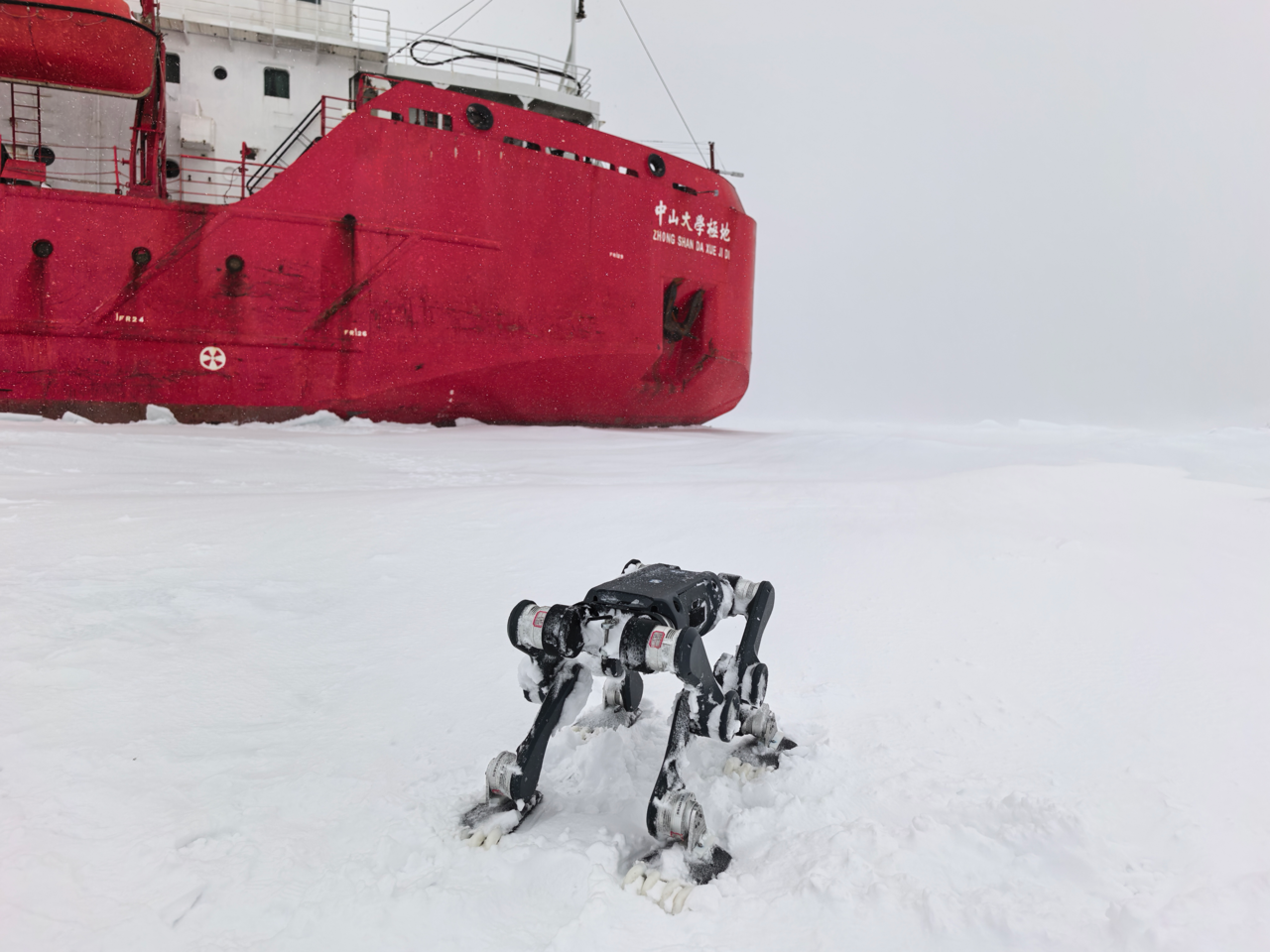
The Arctic Ocean environment is extremely harsh. Melt ponds are covered by snow – appearing as a vast white expanse that is invisible to the naked eye, and stepping onto them could cause one to plunge directly into freezing water. Even more dangerous is the greatest natural enemy of humans on the ice sheet: the polar bear, which can run at speeds of up to 60 km/h. As a result, expedition crew members must exercise extreme caution when disembarking for operations. Getting on and off the ship requires the use of steel structures similar to “shark cages” to block the sharp teeth and claws of polar bears in emergencies. In such a severe environment, the expedition team conducted comprehensive, high-intensity practical adaptation tests on a variety of advanced intelligent scientific equipment. Among them, DEEP Robotics’ robot dog performed excellently in the polar environment tests.
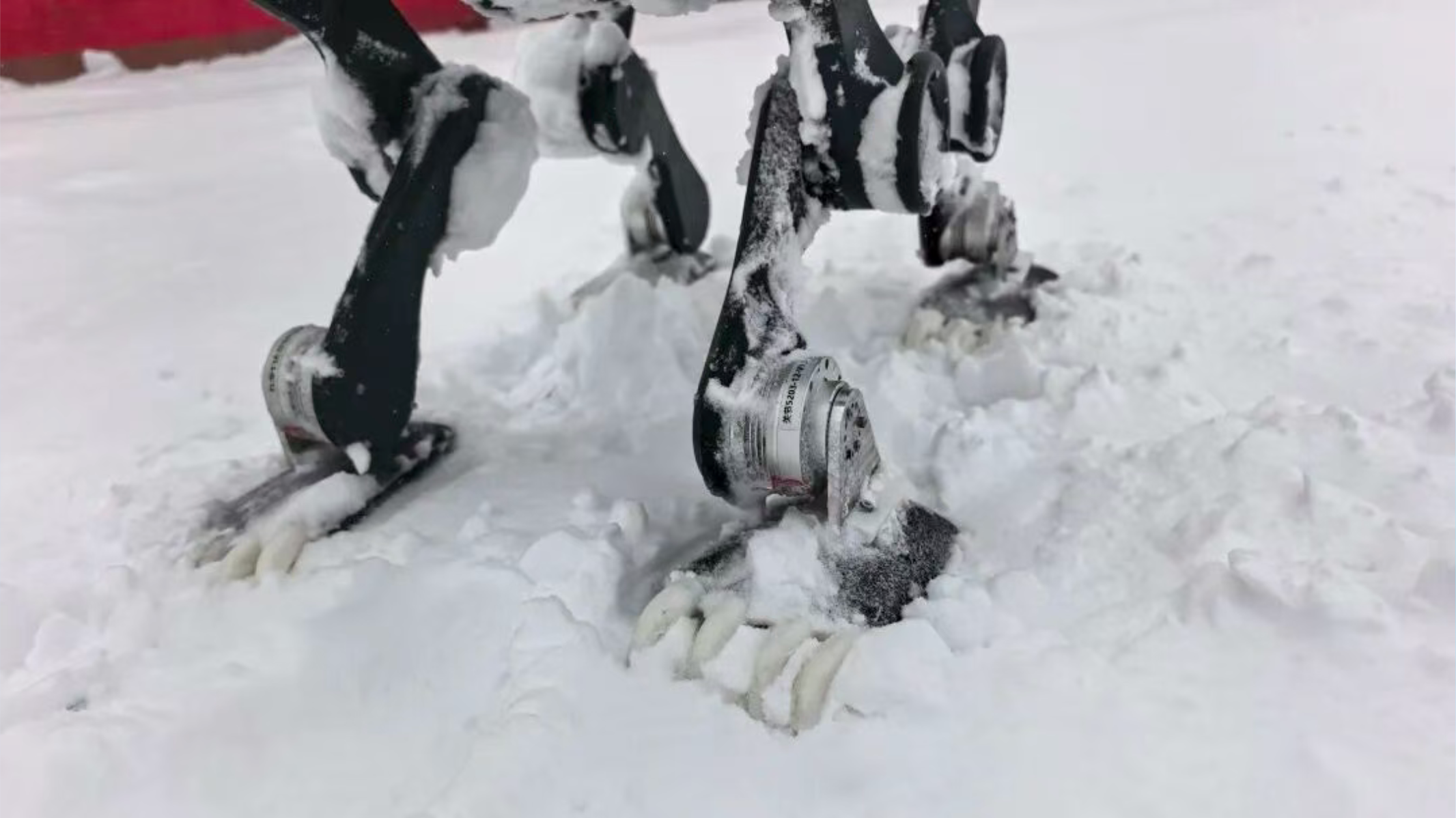
The DEEP Robotics Lynx S10 that participated in this expedition weighs less than 20 kg including its battery. Its lightweight body is well-suited for ice surface mobile operations. To meet the demands of polar ice surface operations, DEEP Robotics collaborated with teams from Sun Yat-sen University, Westlake University, and Hangzhou Dianzi University to equip the Lynx S10 with wide, biomimetic paws featuring anti-slip textures on the soles, mimicking the grip structure of polar bear paws. On the Arctic Ocean ice, the robot dog fitted with these biomimetic paws stood firmly on the snow and ice, successfully completing motion control tests for crawling and moving on the ice. The coordination between the crampons and the biomimetic paws allowed it to traverse complex snowy terrain as if on solid ground – validating DEEP Robotics’ walking control capabilities on highly slippery, low-friction ice surfaces.
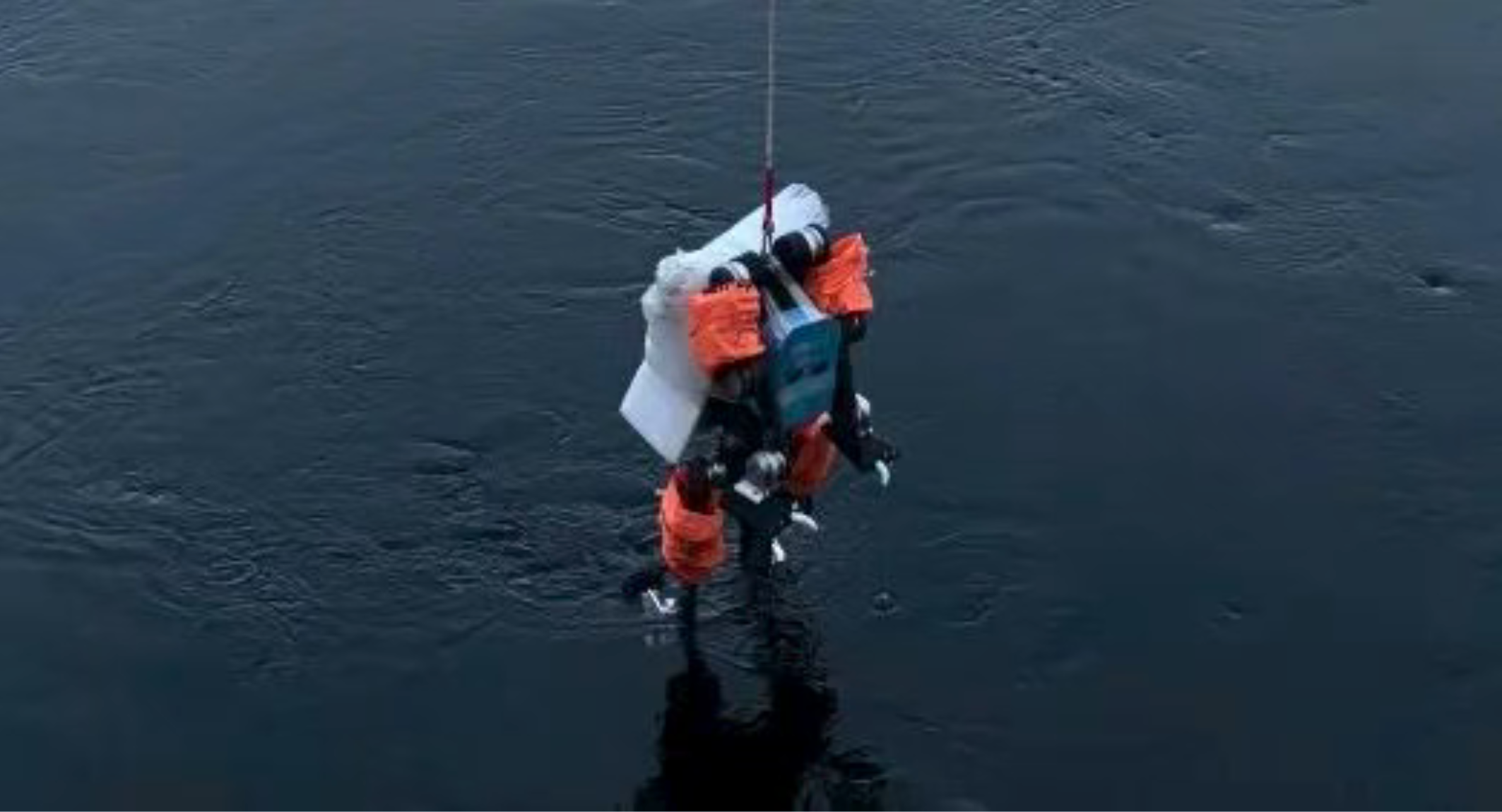
Summer temperatures in the Arctic typically hover a few degrees below zero Celsius, while winter temperatures can drop below -50°C. During this field test, the DEEP Robotics Lynx S10 completed a critical test – underwater operation validation. The ice-water mixed environment posed challenges far beyond ordinary wading scenarios. The DEEP Robotics robot dog features an integrated body-sealed design, achieving an IP67 protection rating. After increasing the surface area of its limbs for paddling, the robot dog was able to propel itself smoothly through the icy waters of the Arctic Ocean. This test has once again expanded the operational boundaries of DEEP Robotics’ robots, opening up more possibilities for future robotic assistance in scientific research expeditions.
Polar scientific research is one of the most extreme working environments faced by humanity. This Arctic Ocean ice surface field test fully demonstrated the hardcore capabilities of DEEP Robotics’ robot dog, including stable walking on ice, continuous operation in extremely cold environments, and waterproof adaptability across multiple scenarios. These real-world achievements and deployment experiences have repeatedly validated DEEP Robotics’ steadfast commitment to grounding itself in real application scenarios, solving industry pain points, and boldly venturing into uncharted technological frontiers. This Arctic Ocean field test not only promotes the continuous iterative upgrading of DEEP Robotics’ embodied AI products but also injects new technological momentum into the intelligent and safe development of global polar exploration. This path – from technological breakthroughs to engineering deployment, from isolated use cases to full-system integration – reflects the journey of embodied intelligence as it moves from research labs to real-world strategic applications. The Arctic expedition also brought back a firm belief: DEEP Robotics’ quadruped robots are ready for bigger missions ahead.
Company: DEEP Robotics
Contact: Vivian Chen
Email: chenlingjia@deeprobotics.cn
Website: https://www.deeprobotics.cn/en
SOURCE: DEEP Robotics
View the original press release on ACCESS Newswire


