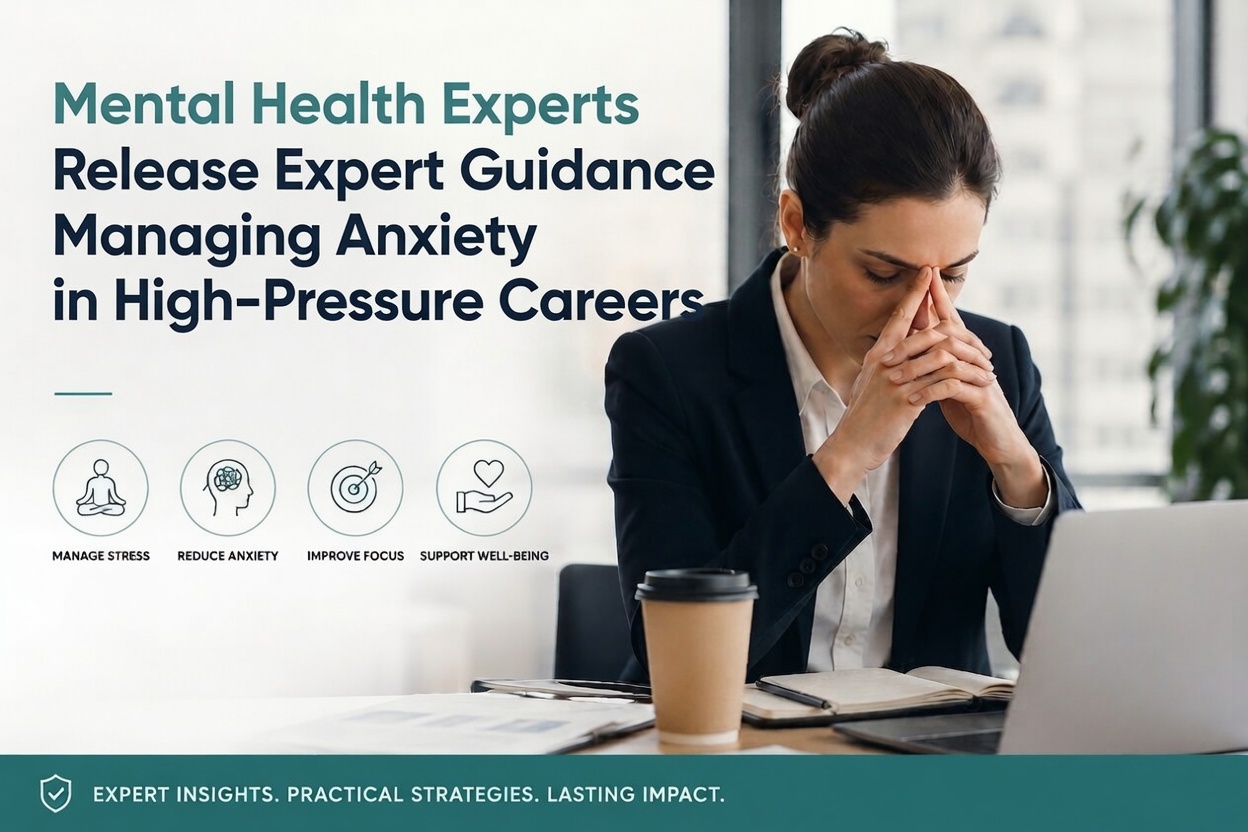
New Resource Highlights Practical Strategies for Professionals Facing Workplace Stress and Anxiety
AUSTIN, TX, UNITED STATES, June 23, 2026 /EINPresswire.com/ — Austin Trauma Therapy Center has released expert guidance focused on helping individuals in high-pressure careers better understand and manage anxiety associated with demanding work environments. The guidance addresses common challenges experienced by professionals across industries where long hours, performance expectations, tight deadlines, and ongoing responsibilities can contribute to elevated stress levels.
Mental health professionals note that anxiety related to work responsibilities has become an increasingly discussed topic among employees, employers, and healthcare providers. Professionals working in fields such as healthcare, law, technology, finance, education, emergency services, and executive leadership often encounter situations that require sustained focus, rapid decision-making, and high levels of accountability. While these demands may vary by profession, mental health experts indicate that chronic exposure to workplace pressure can affect emotional well-being, job performance, and overall quality of life.
The newly released guidance outlines several evidence-informed approaches that may help individuals recognize symptoms of anxiety and develop healthier coping strategies. According to the organization, awareness of anxiety symptoms is an important first step toward addressing concerns before they significantly interfere with daily functioning.
Understanding Anxiety in High-Pressure Work Environments
Mental health professionals describe anxiety as a natural response to stress. However, persistent or excessive anxiety may affect concentration, sleep patterns, productivity, interpersonal relationships, and physical health. Individuals experiencing workplace-related anxiety may report symptoms such as racing thoughts, excessive worry, irritability, difficulty relaxing, fatigue, muscle tension, or feelings of overwhelm.
The guidance explains that anxiety can develop gradually, making it difficult for some professionals to recognize its impact. In many cases, individuals may attribute symptoms solely to workload demands or temporary workplace challenges. Mental health experts suggest that ongoing stress without adequate recovery periods may increase the likelihood of emotional exhaustion and burnout.
Practical Strategies for Managing Workplace Anxiety
The guidance highlights several approaches commonly discussed within mental health care settings.
Recognizing Early Warning Signs
Mental health professionals emphasize the importance of identifying patterns that may indicate rising anxiety levels. These signs may include persistent worry about work performance, avoidance of tasks, difficulty disconnecting from work responsibilities, disrupted sleep, or increased physical stress symptoms.
Early recognition may allow individuals to seek support and implement coping strategies before symptoms become more severe.
Establishing Healthy Boundaries
The guidance discusses the role of professional boundaries in reducing stress. Setting realistic expectations around availability, taking regular breaks, and creating separation between work and personal time may help individuals maintain emotional balance.
Mental health experts note that boundary-setting practices can vary based on job requirements, organizational culture, and individual circumstances.
Developing Stress Management Skills
The resource outlines several stress-management techniques that may support emotional well-being. These include mindfulness practices, relaxation exercises, structured problem-solving approaches, and regular physical activity. According to mental health professionals, consistent use of these strategies may help individuals improve resilience when facing workplace challenges.
The guidance also notes that maintaining healthy sleep habits and engaging in restorative activities outside of work may contribute to overall mental wellness.
Building Support Networks
Strong social and professional support systems may play an important role in managing anxiety. The guidance encourages individuals to maintain meaningful connections with family members, friends, colleagues, mentors, or support groups when appropriate.
Mental health professionals indicate that supportive relationships can provide perspective, encouragement, and opportunities for constructive discussion during periods of increased stress.
Seeking Professional Mental Health Support
The guidance explains that professional counseling may be beneficial for individuals experiencing persistent anxiety or emotional distress. Mental health providers can help clients identify contributing factors, develop coping strategies, and address underlying concerns that may affect workplace functioning.
Therapeutic approaches may vary depending on an individual’s needs, experiences, and treatment goals. Mental health professionals typically tailor interventions to address specific challenges while supporting long-term emotional well-being.
Growing Attention to Workplace Mental Health
Workplace mental health has received increased attention in recent years as organizations and healthcare professionals continue to examine the relationship between employee well-being and workplace performance. Industry research and public health discussions have highlighted the potential effects of chronic stress, burnout, and anxiety on individuals across a wide range of professions.
Mental health experts suggest that conversations surrounding workplace anxiety can help reduce stigma and encourage individuals to seek appropriate support when needed. Increased awareness may also contribute to broader discussions regarding healthy work environments, stress management practices, and employee well-being initiatives.
According to the organization, the guidance was developed to provide educational information for professionals seeking practical insights into anxiety management and mental health support options. The organization states that the information is intended for educational purposes and should not be considered a substitute for individualized medical or mental health advice.
About Austin Trauma Therapy Center
Austin Trauma Therapy Center is a mental health practice based in Austin, Texas. The center provides therapy services for individuals experiencing trauma-related concerns, anxiety, stress, depression, relationship challenges, and other mental health issues. Its clinicians utilize a range of evidence-informed therapeutic approaches designed to address the unique needs of each client. The practice offers support for adults, adolescents, and individuals seeking assistance with emotional well-being, personal growth, and recovery from difficult life experiences.
Contact Information
Contact Name: Austin Trauma Therapy Center
2111 Dickson Street; Suite 16; Austin, TX 78704
Phone: 512-270-8215
Email: care@atxtraumatherapycenter.com
Website: https://atxtraumatherapycenter.com/
Austin Trauma Therapy Center
Austin Trauma Therapy Center
+1 855-4325-111
care@atxtraumatherapycenter.com
Visit us on social media:
Instagram
Facebook
Other
Legal Disclaimer:
EIN Presswire provides this news content “as is” without warranty of any kind. We do not accept any responsibility or liability
for the accuracy, content, images, videos, licenses, completeness, legality, or reliability of the information contained in this
article. If you have any complaints or copyright issues related to this article, kindly contact the author above.

Media gallery