Protecting Richmond’s Historic Properties: Pauly’s Movers’ Careful Relocation Strategy
Mechanicsville, United States – March 4, 2026 / Moving Service Marketing Company /
Moving into or out of an older home takes more planning than a standard relocation. In Richmond, many period properties feature original wood floors, plaster walls, decorative trim, and narrow staircases built long before modern furniture sizes were considered. These features give the homes their character, but they also make moving more complicated. Narrow hallways, delicate finishes, and limited entry points require careful coordination before moving day even arrives. Without the right preparation, it is easy to cause scratches, cracks, or structural damage. In this guide, Pauly’s Movers explains how to handle historic Richmond homes with care, focusing on practical steps to protect both the property and the belongings inside.

Richmond’s Historic Homes Overview
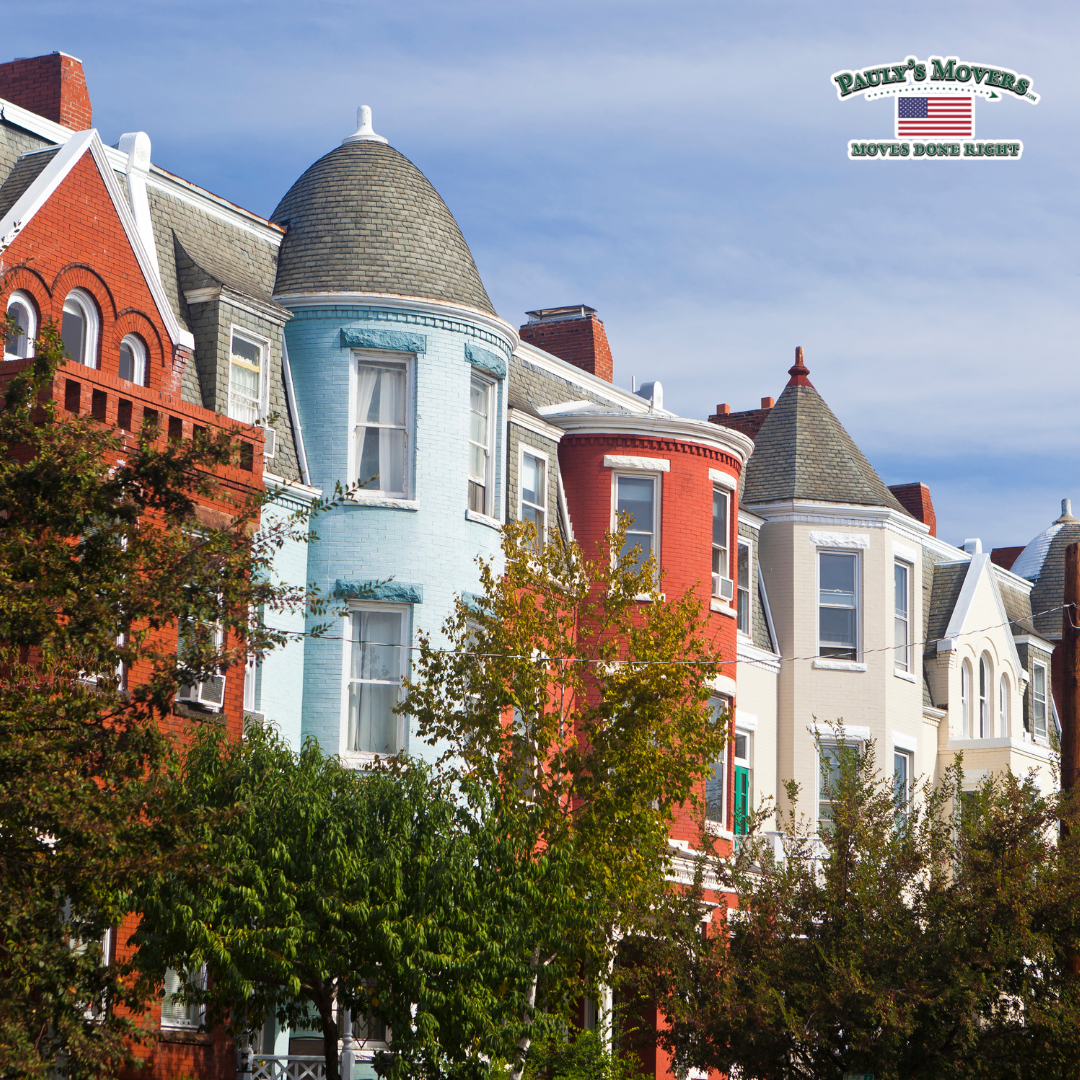
Richmond’s neighborhoods feature a wide range of historic homes built across different time periods, each reflecting the design standards of its era. From large antebellum estates constructed before the Civil War to Victorian cottages and early twentieth-century townhomes, these houses represent more than architectural styles. They show how families lived, built, and adapted over generations.
More than 200 properties in Richmond are listed on the National Register of Historic Places. This designation highlights the importance of these buildings to the city’s development. The list includes grand mansions, churches, row houses, and modest worker homes. Together, they reflect the social and economic changes that shaped Richmond over time.
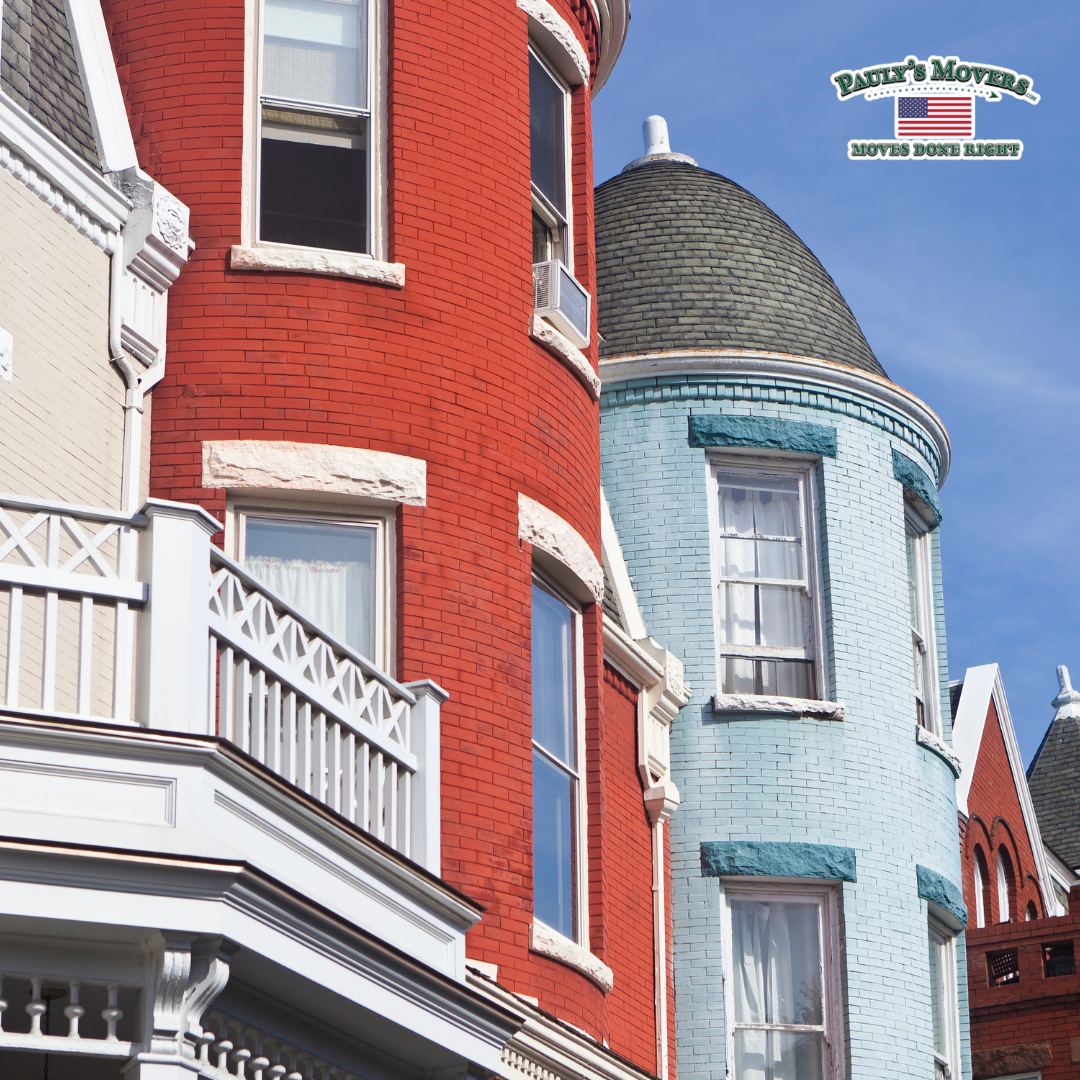
Preservation in Richmond focuses on maintaining both the physical structure and the historical value of these homes. Many antebellum properties feature detailed woodwork and hand-laid brickwork that require specialized repair methods. Victorian homes often feature stained glass, carved trim, and ornate stair railings that can be easily damaged during renovations or moves. Even smaller historic homes may have original heart pine floors or plaster ceilings that are difficult to replace if broken.
Understanding how these homes were built is essential before starting any move or restoration project. Knowing the materials and construction techniques helps determine which areas need extra protection. It also guides decisions about repairs and improvements so they match the home’s original look and structure.
The John Marshall House is one well-known example. Built in the late eighteenth century in the Federal style, it still retains much of its original detailing. Landmarks like this show why careful handling is necessary. They allow residents and visitors to experience history firsthand rather than just read about it in books.
Recognizing the architectural value of these properties sets the stage for making informed decisions about restoration and relocation. Every step must support the goal of preserving the home’s character.
Strategies for Authentic Restoration
Authentic restoration means repairing and improving a home without changing its identity. The first step is thorough research. Understanding the original materials and methods used in construction prevents costly mistakes later.
Historic Richmond homes may contain materials no longer common, such as old-growth timber, hand-cut brick, or slate roofing. Identifying these early ensures replacements match the original as closely as possible. For example, homes built in the late nineteenth century may include heart pine beams or Virginia clay brick. Using modern substitutes without considering compatibility can create uneven aging or structural issues over time.
Sourcing appropriate materials often requires extra effort. Reclaimed wood suppliers, architectural salvage yards, and specialty manufacturers can provide pieces that match original dimensions and finishes. In some cases, custom milling may be necessary to replicate trim profiles or molding details. This approach maintains consistency in appearance and performance.
Working with craftsmen who understand historic preservation is equally important. Not every contractor is trained to repair lime mortar or replicate century-old joinery. Specialists in traditional building techniques can determine which elements should be repaired carefully and which require replacement. Their knowledge helps maintain the home’s structure while preserving its visual character. Detailed documentation also supports authentic restoration. Photographs, measured drawings, and paint analysis provide guidance when matching colors or reconstructing damaged features. Keeping clear records ensures that future repairs remain consistent with earlier work.
When material sourcing, skilled labor, and documentation are coordinated, restoration projects remain focused and organized. Each decision builds on the previous one, resulting in a home that feels cohesive rather than pieced together.
With restoration principles in place, attention turns to another complex task: safely relocating historic Richmond homes when necessary.
The Relocation Process
Relocating a period home involves far more than transporting a structure from one site to another. It requires careful planning, structural evaluation, and coordination with multiple agencies. The process begins with an engineering-led structural assessment. They examine the foundation, framing, and overall stability to determine whether the home can withstand the stress of relocation. Older materials may have weakened over time, making reinforcement necessary before any movement begins. This evaluation helps prevent damage that could permanently affect the building’s integrity.
After confirming that relocation is possible, crews address disassembly and reinforcement. Certain elements, such as porches, chimneys, or decorative trim, may need to be removed temporarily. Each piece is labeled and documented to ensure accurate reassembly. Vulnerable sections are reinforced to reduce shifting or cracking during transport. Logistics then becomes the primary focus. Moving a large historic home requires permits and route planning. Coordination with local authorities may involve temporary road closures, lifting power lines, or removing street signs. Each detail must be scheduled carefully to prevent delays.
Selecting movers experienced with historic structures is critical. Standard moving methods may not adequately protect fragile plaster walls or aged framing. A team familiar with preservation practices understands how to distribute weight properly, secure delicate features, and monitor movement throughout transport.
Clear communication with neighbors and community members also plays a role. Historic homes often hold meaning beyond their property lines. Informing stakeholders about timelines and safety measures supports a smoother relocation process.
Community Support in Preservation
Preserving Richmond’s historic homes is rarely an individual effort. Community involvement plays a major role in maintaining these properties. When residents, local organizations, and preservation advocates collaborate, restoration efforts gain both financial and public support.
Fundraising Efforts
Funding is often one of the biggest challenges in preservation work. Repairs to historic properties can be expensive, especially when specialized materials and skilled labor are required. Local preservation groups frequently organize fundraising campaigns to gather resources.
Community donations, sponsorships, and benefit events help cover restoration costs. These efforts also increase public awareness and build a sense of shared responsibility. When residents contribute financially, they often feel more invested in the outcome.
Education and Awareness
Educational programs strengthen long-term preservation efforts. Workshops on historic architecture and restoration techniques provide homeowners with useful knowledge. Guided tours highlight craftsmanship details that may otherwise go unnoticed.
By understanding why certain materials and methods matter, property owners are less likely to make changes that compromise historical integrity. Education encourages informed decision-making and supports consistent preservation standards across neighborhoods.
When fundraising and education work together, they create a stable foundation for protecting Richmond’s historic homes.
Architectural Integrity Tips
Maintaining architectural integrity begins with respecting the original design. Each historic home reflects specific choices in layout, materials, and decorative details. Preservation requires careful attention to these features.
Respect Original Design
Before starting any renovation, existing conditions should be documented thoroughly. Archival photographs, old plans, and local historical records provide guidance. Rebuilding a porch, for example, should involve matching the original balusters and column styles as closely as possible.
Modern upgrades, such as electrical or structural improvements, may be necessary for safety. These changes should be made discreetly so they do not alter the home’s overall appearance. Subtle integration helps preserve visual consistency.
Deterioration presents another challenge. Wood rot, cracked plaster, or worn finishes may require repair rather than full replacement. Whenever possible, original materials should be conserved. Gentle restoration techniques strengthen features without removing historic value.
Sourcing period-appropriate hardware and fixtures also supports authenticity. Salvage yards and specialty suppliers can provide matching pieces that align with the home’s era.
Consistent documentation throughout the process ensures that each decision supports the broader preservation goal.
Overcoming Preservation Challenges
Preserving and relocating period homes in Richmond involves financial, regulatory, and material challenges. Planning ahead reduces complications.
Funding requires research into grants and tax incentives. Applications often demand detailed documentation and patience. Early preparation improves the likelihood of approval and helps manage costs. Regulatory requirements must also be addressed. Local, state, and federal guidelines may restrict certain modifications. Consulting preservation experts and historical commissions clarifies expectations and prevents costly errors.
Finding appropriate materials can be time-consuming. Items such as historically accurate windows or specialty woodwork may require custom orders. Building relationships with reliable suppliers and craftspeople supports smoother project timelines.
Flexible scheduling helps accommodate unexpected delays. Prioritizing authenticity over convenience ensures long-term value and historical accuracy.
Key Actions to Overcome Preservation Challenges
- Research funding opportunities early.
- Consult with preservation authorities before starting work.
- Develop relationships with specialized suppliers and craftsmen.
- Allow extra time for sourcing rare materials.
- Focus on long-term authenticity rather than short-term convenience.
Addressing these challenges thoughtfully allows historic homes to remain structurally sound and visually consistent with their original character.
Richmond’s period homes represent generations of craftsmanship and history. Moving, restoring, or relocating these properties requires careful planning, skilled professionals, and a strong commitment to preservation. By understanding the original materials, carefully coordinating logistics, and engaging community support, homeowners can protect both the structure and its story. With the right preparation and attention to detail, these historic homes can continue serving future generations while maintaining the architectural integrity that makes Richmond unique.

Why Richmond Homeowners Rely on Pauly’s Movers for Period Property Moves
Homeowners in Richmond trust Pauly’s Movers when relocating from period properties that require extra care and planning. Older homes often feature detailed woodwork, narrow staircases, and delicate fixtures, and their team prepares accordingly with protective materials and organized loading strategies. By focusing on careful handling and steady coordination, they help safeguard both the property and the belongings being moved. With clear communication and practical planning, they keep each move structured and manageable. To discuss your upcoming period home relocation in Richmond, contact Pauly’s Movers at 443-407-8313 for dependable support.

Contact Information:
Pauly’s Movers
6407 Mechanicsville Turnpike
Mechanicsville, VA 23111
United States
Tony Fard
(804) 886-1930
https://paulysmovers.com/movers-richmond-va/


